
An angry policyholder is rarely angry at you. They are frightened, displaced, and out of control of their own life, and you are the first person who looks like you might have power over what happens next. De-escalation is not about winning the conversation. It is about lowering the temperature enough that the conversation can actually happen.
- Let them finish before you explain anything.
- Acknowledge the feeling without agreeing to facts you have not confirmed.
- Explain decisions with their basis, in plain language.
- Never promise an outcome you cannot commit to — promise the next step instead, and keep it.
- Set boundaries calmly, and document the conversation.
Why claims conversations heat up
Most anger in a claim comes from a short list of causes: loss of control, uncertainty about what happens next, waiting without information, conflicting advice from a contractor, a neighbor, or the internet, and sometimes a bad experience on a previous claim. Very little of it is about the adjuster personally. Knowing that makes it easier not to take the bait.
The first thirty seconds
The instinct is to explain. Resist it. Someone who is upset cannot take in information until they feel heard.
- Slow down — your pace and volume set theirs.
- Let them finish, even when you already know where it is going.
- Name what you hear. “It sounds like the waiting is the hardest part.” Accurate naming lowers the temperature faster than reassurance does.
- Do not defend, correct, or quote the policy yet. That comes after.
Separate the person from the process
You can acknowledge how someone feels without agreeing to facts you have not confirmed. “I understand why that is frustrating” is honest and safe. “You’re right, that should be covered” is a commitment you may not be able to keep — and one that will be quoted back to you.
Explain decisions with the basis, in plain language
When you deliver news someone does not want, structure carries a lot of the weight:
- What was found — the observations, not the conclusion.
- What it is measured against — the actual policy language or carrier guideline, read plainly rather than paraphrased.
- What happens next — payment timing, open items, documents still needed.
- How to raise a disagreement — additional documentation, a supplement, or the carrier’s review process.
People can accept an answer they dislike. What they rarely accept is an answer they cannot understand.
Promise the next step, not the outcome
When you cannot give certainty about the result, give certainty about the process. “I will call you Thursday by noon with the status of the estimate review” is a promise you control. Then keep it — even if the update is that there is no update yet. Kept small promises are how trust is rebuilt in the middle of a claim.
Boundaries without burning the relationship
De-escalation does not mean absorbing abuse. If language becomes threatening or abusive, name it calmly, offer to continue at a specific later time, and end the call if it continues. In person, your safety comes first; step away and follow your carrier’s or firm’s guidelines for escalation. A boundary set calmly protects the relationship better than one set in anger.
Document the conversation
Every hard conversation belongs in the file: the date, what was discussed, what you explained, what was promised, and the next step. If a dispute comes later, the record of a patient, clear conversation is one of the strongest things in the file.
Questions
What should an adjuster say first to an angry policyholder?
Very little. Let them finish, then name what you are hearing — for example, “It sounds like the waiting has been the hardest part.” People need to feel heard before they can take in an explanation.
How should an adjuster explain a denial or partial payment?
Explain what was found, what it is measured against in the actual policy language or guideline, what happens next, and how the policyholder can raise a disagreement. Plain language and a clear next step matter more than the length of the explanation.
What should an adjuster do if a policyholder becomes abusive?
Name the behavior calmly, offer to continue at a specific later time, and end the conversation if it continues. In person, prioritize safety, step away, follow your firm’s or carrier’s escalation guidelines, and document what happened.
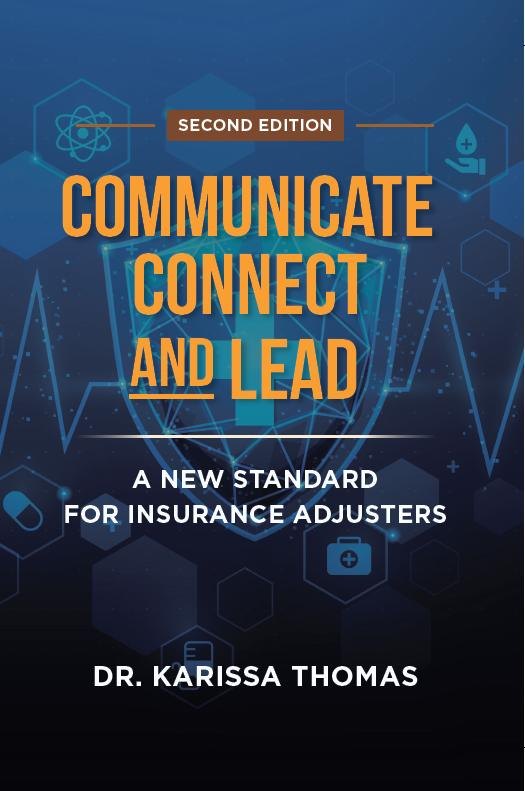
Communicate, Connect, and Lead
Building trust with policyholders, reducing conflict before it escalates, and setting boundaries that protect you without costing you the file. A #1 New Release in Insurance.