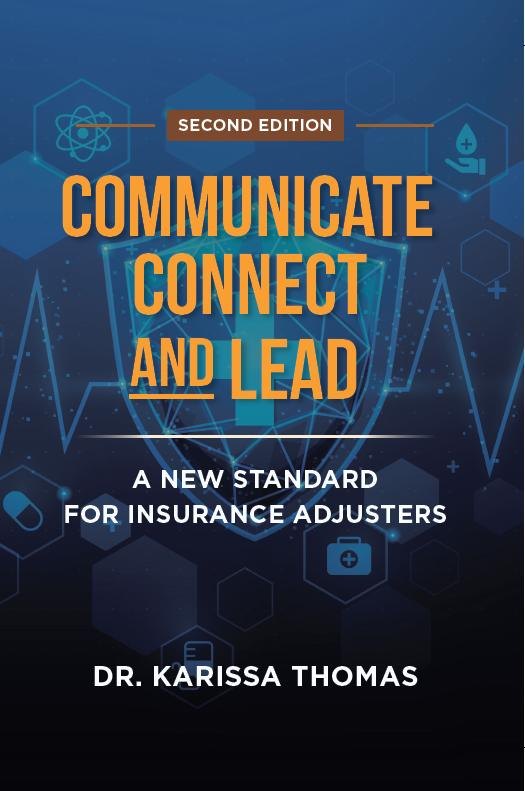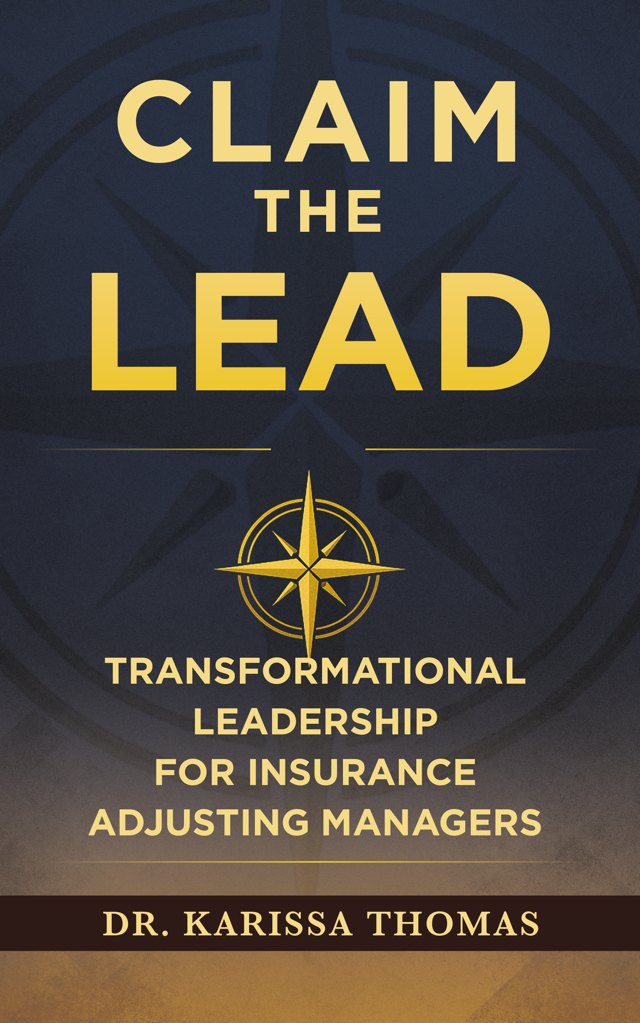
A book read alone changes one person. A book read together changes how a group talks about its hardest moments — and that shared language is what lasts after the final session. You do not need to be a trainer or an expert to lead a good study. You need a good book, a clear plan, and a willingness to let other people do most of the talking.
- Choose the book that matches the challenge your group is actually facing.
- Register before the first session so you have the full Instructor Companion.
- Pick a pacing your group can sustain.
- Facilitate as a host, not a lecturer — your job is the questions.
- For large groups, use small tables inside a shared opening and close.
Step 1: Choose the book for the challenge in front of you
- Lead the Claim — for adjusters and desk examiners working on documentation and defensibility.
- Claim the Lead — for supervisors and managers learning to lead the team they used to be part of.
- Leading Before the Storm — for groups preparing before a crisis: CAT rosters, operations leaders, emergency managers, congregations.
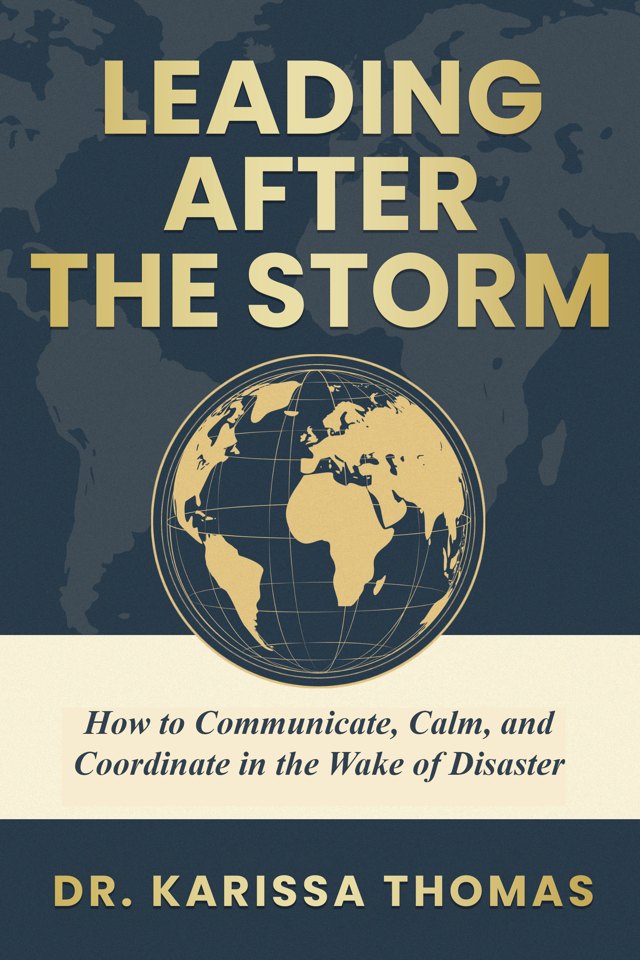
- Leading After the Storm — for anyone leading recovery: relief teams, faith communities, volunteer networks, and claims rosters.
Step 2: Register your group
Registration takes about two minutes and should happen before your first session. It gives you the Instructor Companion for your book: session outlines, openings to read aloud, discussion questions, ready-to-send emails, reflection pages, slides, and a participant certificate. Register your group here.
Step 3: Choose a pacing your group can sustain
- One session per Part — four or five sessions; well suited to large groups and busy seasons.
- Eight sessions — a steady weekly rhythm that fits inside an existing meeting.
- A fifteen-week semester — for classes and longer cohorts.
- A one-day workshop or retreat — for teams that learn best in one focused block.
Step 4: Facilitate as a host, not a lecturer
The facilitator’s job is not to have the answers. It is to ask good questions and protect the space for honest ones.
- Open with the read-aloud from the companion to bring the room into focus.
- Ask, then wait. Silence after a question is people thinking.
- Invite the quieter voices by name, gently, or through pairs before the whole group.
- Connect the chapter to real work — a file, a conversation, a storm, a week.
- Close with one commitment each person will try before the next session.
Step 5: Running a large group
Studies of fifty or a hundred people work well with one adjustment: small tables of six to eight inside a shared structure. Open together, discuss at tables with a table host using the companion’s questions, then close together with a few tables reporting back. One session per Part keeps the pace manageable, and participants can buy their own copies, join a group order, or use copies the organization provides. A 100-person study of Leading After the Storm is already under way using this approach.
Step 6: Finish well
Within two weeks of the final session, send the short completion report — numbers only, no participant names. You will receive a Certificate of Facilitation signed by Dr. Karissa Thomas, and your participants can receive their certificates from the companion. Then consider the natural next study: Leading Before the Storm after Leading After the Storm, or Claim the Lead for managers alongside Lead the Claim for adjusters.
Questions
Do I need to be an expert to facilitate a book study?
No. The Instructor Companion supplies the structure — session outlines, read-aloud openings, discussion questions, and slides. The facilitator’s role is to host the conversation and ask good questions, not to lecture.
How long does a leadership book study take?
It depends on the pacing you choose: four or five sessions with one per Part of the book, eight weekly sessions, a fifteen-week semester, or a single one-day workshop or retreat.
How do you run a book study with 100 people?
Use small tables of six to eight inside a shared structure: open together, discuss at tables with a table host using the companion’s questions, and close together. One session per Part of the book keeps a large group on pace.
Instructor Companions, ready to use
Session outlines, read-aloud openings, discussion questions, emails, reflection pages, slides, and a participant certificate — for Lead the Claim, Claim the Lead, and both Storm Line books.